Mastering Pickleball Strategy: Tips for Competitive Play
Pickleball is more than just a fun pastime; it’s a competitive sport that requires strategy, skill, and a deep understanding of the game. Whether you are a beginner looking to improve your game or an experienced player aiming to refine your tactics, mastering pickleball strategy can elevate your performance on the court. In this post, we will explore essential strategies, tips, and techniques that can help you become a formidable opponent.
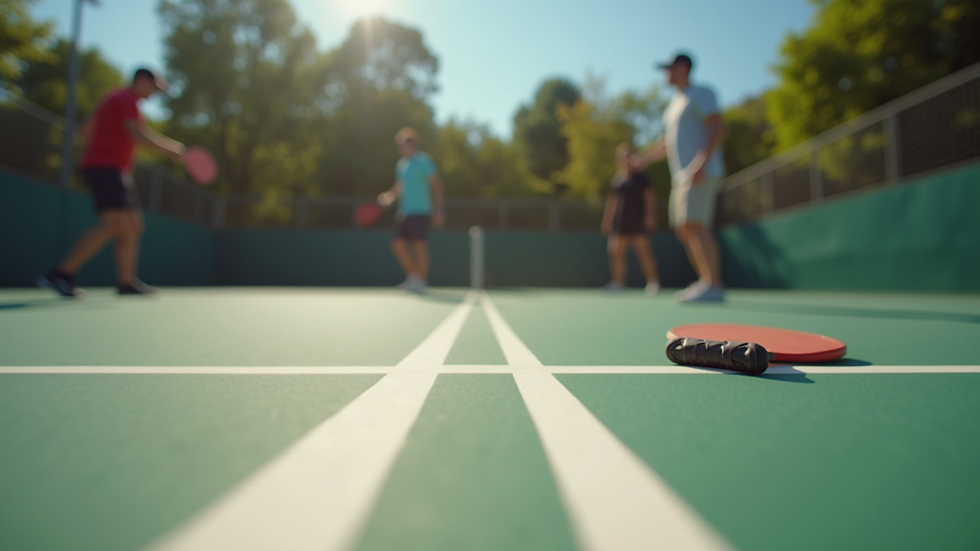
Understanding the Basics of Pickleball
Before diving into advanced strategies, it’s crucial to understand the fundamental rules and structure of pickleball. The game is played on a court similar to a tennis court but smaller, with a net that is slightly lower. Here are some key aspects to keep in mind:
Court Dimensions: A standard pickleball court measures 20 feet wide and 44 feet long for doubles play.
Scoring System: Games are typically played to 11 points, and a team must win by at least 2 points.
Serving Rules: The serve must be made underhand and diagonally to the opponent's service court.
Understanding these basics will provide a solid foundation for developing your strategy.
Key Strategies for Competitive Play
1. Positioning and Court Coverage
One of the most critical aspects of pickleball strategy is positioning. Effective court coverage can make a significant difference in your performance. Here are some positioning tips:
Stay Ready: Always be in a ready position with your knees slightly bent and paddle up. This stance allows for quick reactions.
Use the Non-Volley Zone: The non-volley zone, or "kitchen," is a critical area. Mastering your footwork here can prevent your opponents from executing powerful volleys.
Communicate with Your Partner: In doubles, clear communication is vital. Use verbal cues to indicate who will take the shot.
2. Shot Selection
Choosing the right shot at the right time can turn the tide of a match. Here are some essential shots to master:
Dinks: A soft shot that lands in the opponent's non-volley zone. Dinks can disrupt your opponent's rhythm and force them to make mistakes.
Lobs: A high shot that can catch your opponents off guard, especially if they are positioned close to the net.
Drives: A powerful shot aimed at your opponent's feet. This can be effective in forcing errors or setting up for a winning shot.
3. Anticipating Opponent's Moves
Being able to read your opponent's body language and paddle position can give you a significant advantage. Here’s how to improve your anticipation skills:
Watch Their Feet: The direction your opponent's feet are pointing can indicate where they plan to hit the ball.
Observe Paddle Position: A raised paddle often means they are preparing for a volley, while a lower paddle may indicate a groundstroke.
4. Mental Game
Pickleball is as much a mental game as it is physical. Here are some strategies to enhance your mental toughness:
Stay Positive: Maintain a positive mindset, even when the game isn’t going your way. This can help you stay focused and perform better.
Visualize Success: Before matches, visualize yourself executing successful shots and winning points. This mental rehearsal can boost your confidence.
5. Practice and Drills
Consistent practice is essential for mastering pickleball strategy. Incorporate the following drills into your training routine:
Target Practice: Set up targets on the court and practice hitting them from various positions.
Partner Drills: Work with a partner to practice specific shots and strategies, such as dinking or volleying.
Match Simulation: Play practice matches to simulate real-game scenarios and apply your strategies.
Advanced Strategies for Competitive Players
Once you have a solid grasp of the basics, you can begin to implement more advanced strategies.
1. The Third Shot Drop
The third shot drop is a crucial tactic in pickleball. After the serve and return, the third shot should ideally be a soft shot that lands in the opponent's non-volley zone. This tactic allows you to transition to the net and take control of the point.
2. Targeting Weaknesses
Every player has weaknesses. Pay attention to your opponent's game and look for areas where they struggle. For example, if they have a weak backhand, aim your shots to that side.
3. Changing Up Your Pace
Varying the speed and spin of your shots can keep your opponents guessing. Mix in fast drives with slower dinks to disrupt their rhythm.
4. Playing the Angles
Utilizing angles can create opportunities for winning shots. Aim for the sidelines or use cross-court shots to stretch your opponents and open up the court.
5. Team Dynamics in Doubles
In doubles play, understanding your partner's strengths and weaknesses is vital. Develop a strategy that plays to both of your strengths, whether that means one player covering the net while the other plays from the baseline.
Conclusion
Mastering pickleball strategy requires a blend of skill, practice, and mental fortitude. By focusing on positioning, shot selection, and anticipating your opponent's moves, you can significantly improve your game. Remember to stay positive and practice consistently. As you refine your strategies, you will find yourself becoming a more competitive player on the court.
Now that you have these strategies at your disposal, it’s time to hit the court and put them into practice. Whether you’re playing for fun or competing at a higher level, these tips will help you elevate your game and enjoy the sport even more. Happy playing!

Comments